Why Sewage Backups Are a Serious Biohazard Concern in Alpharetta
Sewage backups are among the most common — and most underestimated — biohazard situations that Alpharetta property owners face. Georgia's heavy summer rainstorms can overwhelm aging sewer infrastructure, sending contaminated water into basements, utility rooms, garages, and ground-floor units in apartments and condos near North Point and along Mansell Road.
What many property owners don't realize is that sewage water is classified as a Category 3 biohazard. It can contain dangerous bacteria, viruses, and parasites. Simply mopping up visible water and running a fan is not enough — especially in older homes near Crabapple or Downtown Alpharetta where porous materials like hardwood floors, plaster walls, and unfinished basements absorb contaminated moisture quickly.
Sewage water is a Category 3 biohazard containing harmful pathogens. Professional extraction, antimicrobial treatment, and structural drying are essential — especially in Alpharetta properties with older plumbing or shared drainage systems.
Common Sewage and Odor Problems by Property Type
The nature of a sewage backup or odor issue depends heavily on the type of property and its location in the Alpharetta area. Here are the most common scenarios our team encounters:
- Older Single-Family Homes: Properties near Crabapple and the historic areas of Downtown Alpharetta often have aging sewer lines that are vulnerable to root intrusion and collapse, leading to recurring backups in basements and crawlspaces.
- Apartments and Condos: Multi-unit buildings near Avalon and along Haynes Bridge Road can experience sewage migration between floors when a single unit backs up, contaminating shared plumbing stacks and creating odor complaints across multiple residences.
- Commercial Restrooms: High-traffic restaurants, retail stores, and office buildings near Windward Parkway and Old Milton Parkway face restroom overflow and drain issues, particularly during busy periods and local events.
The Hidden Danger of Lingering Odors
Even after visible sewage is removed, persistent odors often indicate that contaminated moisture has penetrated building materials. In multi-unit buildings near North Point, odors can travel through shared HVAC systems, wall cavities, and plumbing chases — affecting units that never had direct sewage contact. Georgia's humidity makes this worse by slowing natural evaporation and creating conditions for mold and bacterial growth behind walls and under flooring.
If you notice a sewage odor in your Alpharetta property but can't find a visible source, check floor drains, utility areas, and HVAC returns first. Dry P-traps are a common cause in properties that have been vacant or underused — but persistent odors after refilling traps indicate a deeper contamination issue that requires professional assessment.
Professional Sewage and Odor Remediation in Alpharetta
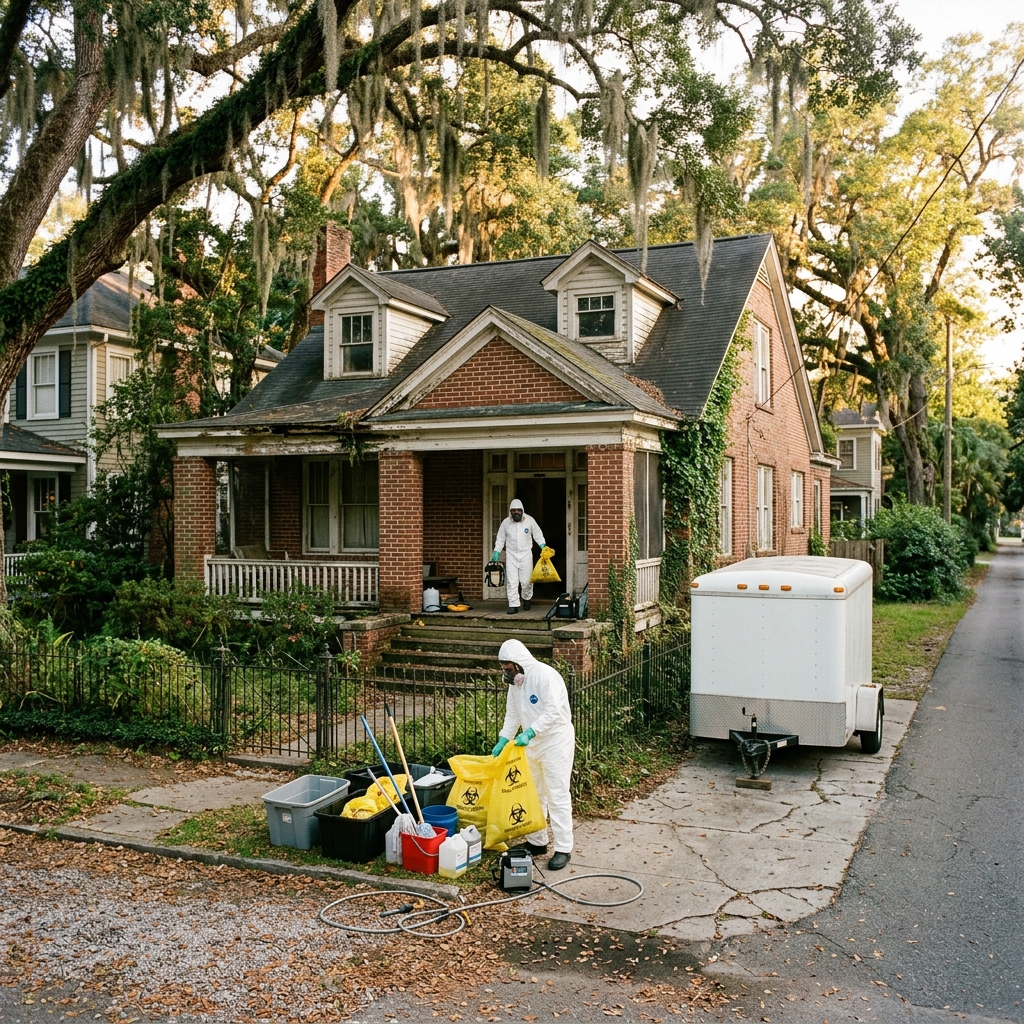
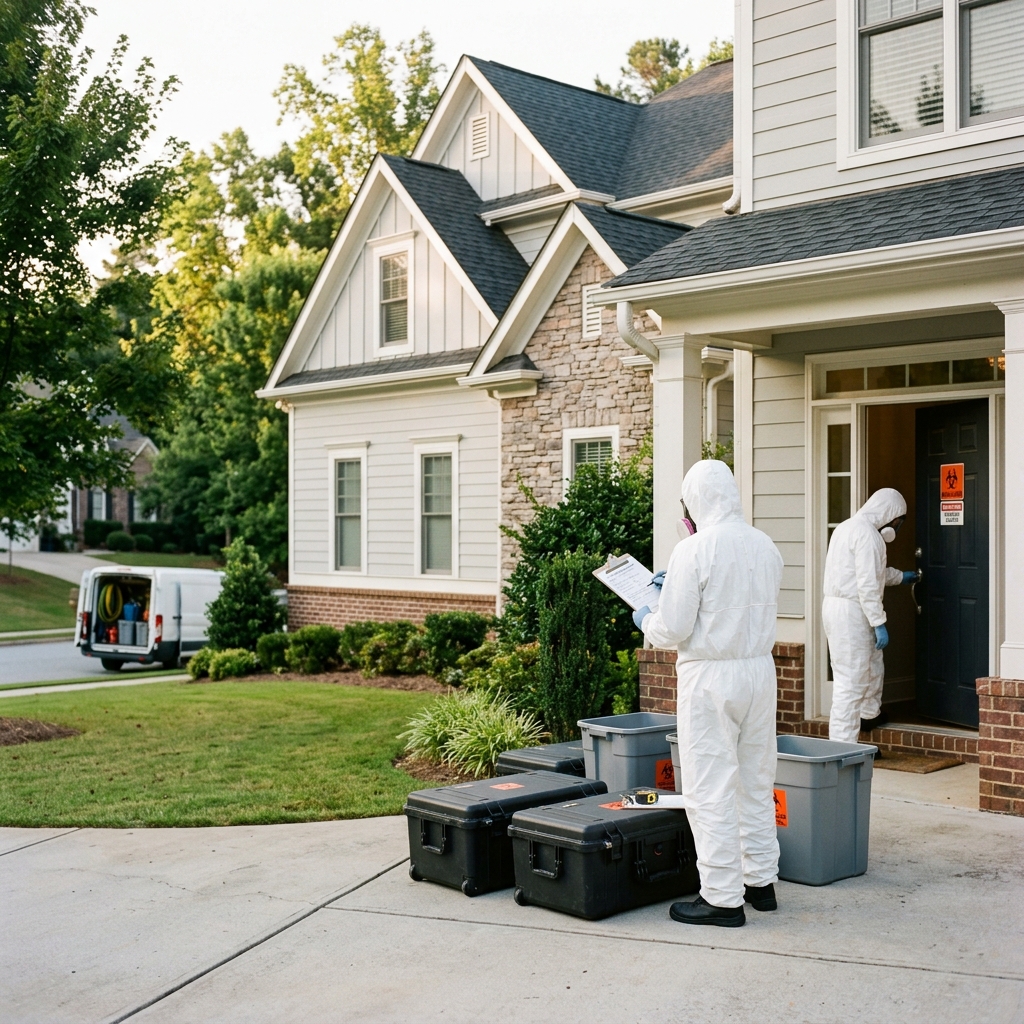
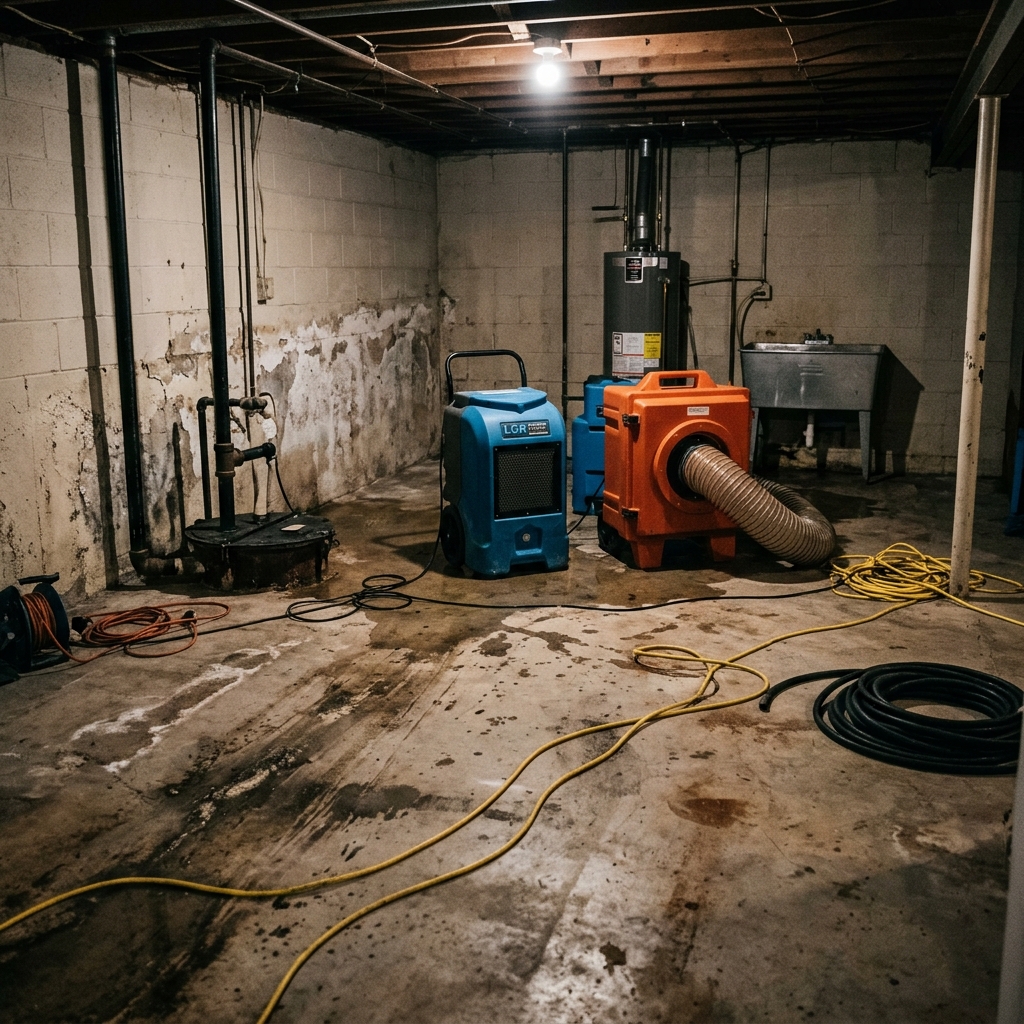
Professional sewage cleanup involves several critical steps that go far beyond surface cleaning. Our team uses commercial-grade extraction equipment to remove standing water, followed by antimicrobial treatment of all affected surfaces. Structural drying with industrial dehumidifiers and air movers is essential in Alpharetta's humid climate to prevent secondary mold growth.
"In Alpharetta, humidity is your worst enemy after a sewage backup. Even a small amount of contaminated moisture left behind can lead to mold, structural damage, and health complaints — especially in multi-unit properties where the problem can spread unseen."
For odor removal, we use hydroxyl generators, ozone treatment, and thermal fogging to neutralize odors at the molecular level. Property managers handling sewage incidents in apartment complexes near Webb Bridge or condo communities near Avalon should also request HVAC inspection and duct cleaning to prevent odor recirculation across units. The key is acting quickly — the longer contaminated moisture sits in Georgia's warm, humid conditions, the more extensive and costly the remediation becomes.